Aroona Valley
7 km
distance
15 min
Contour time
2.5
difficulty
Unsealed
surface
Scenery
South Australia
The Aroona Valley was one of the earliest pastoral runs in the Flinders Ranges, taken up by James Masters in 1851. The...
Road quality
Grade 2.5
Every segment scored on 40+ data signals.
Accessibility
Fully sealed
Best in Motorbike & Rally. Peak season: Apr-Oct.
7-day forecast
The easiest stage in the Flinders Loop. Accessible to most vehicles with reasonable clearance in dry conditions.
Recommended gear: Recovery boards, Tyre repair kit.
The road
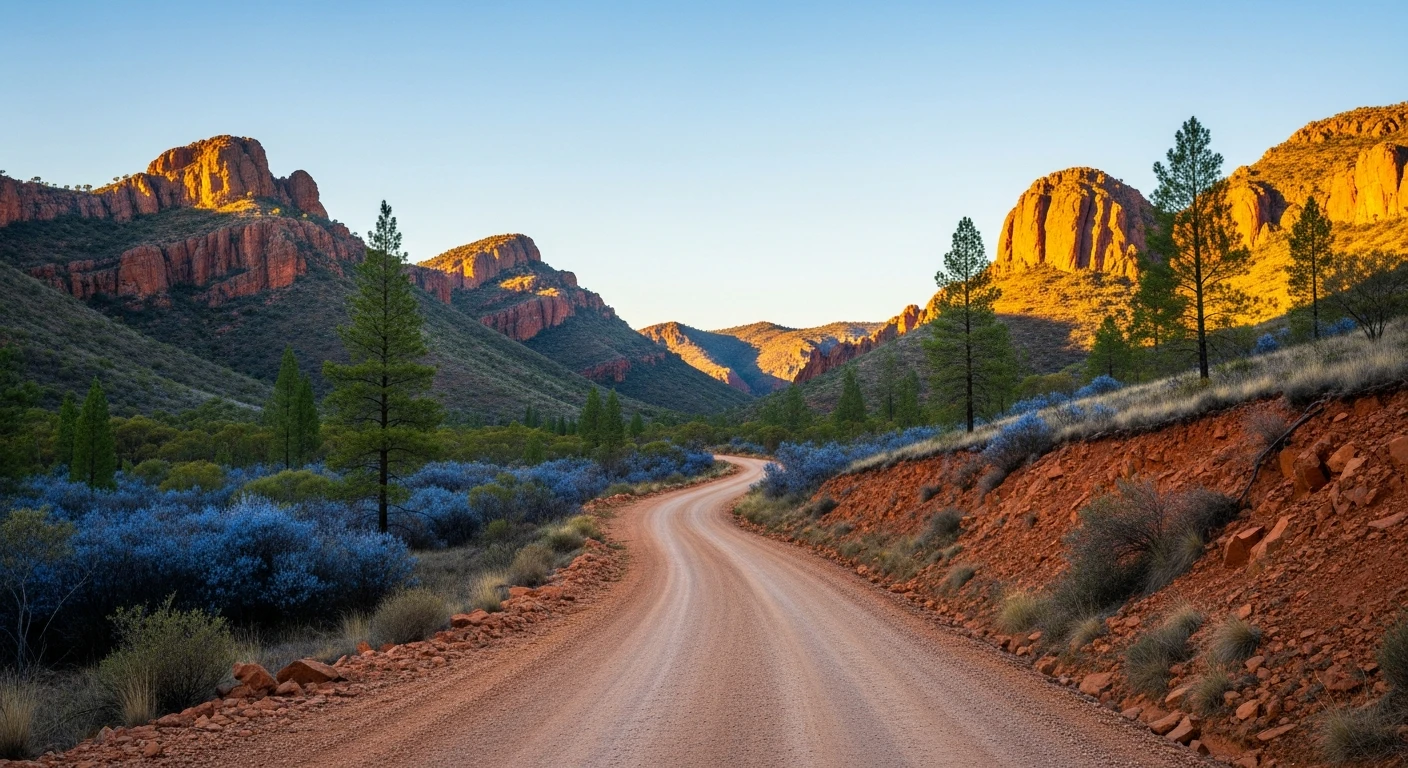
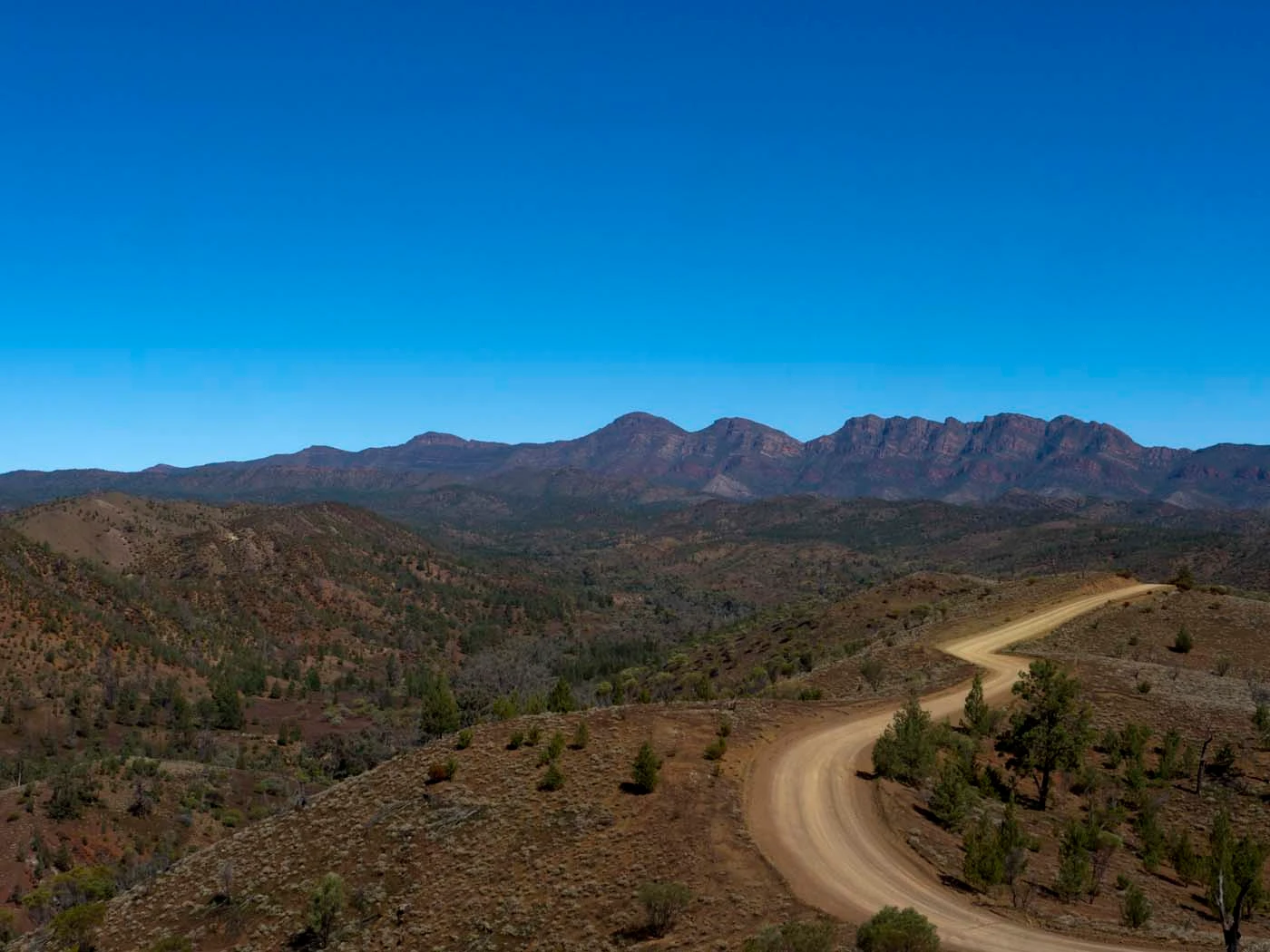
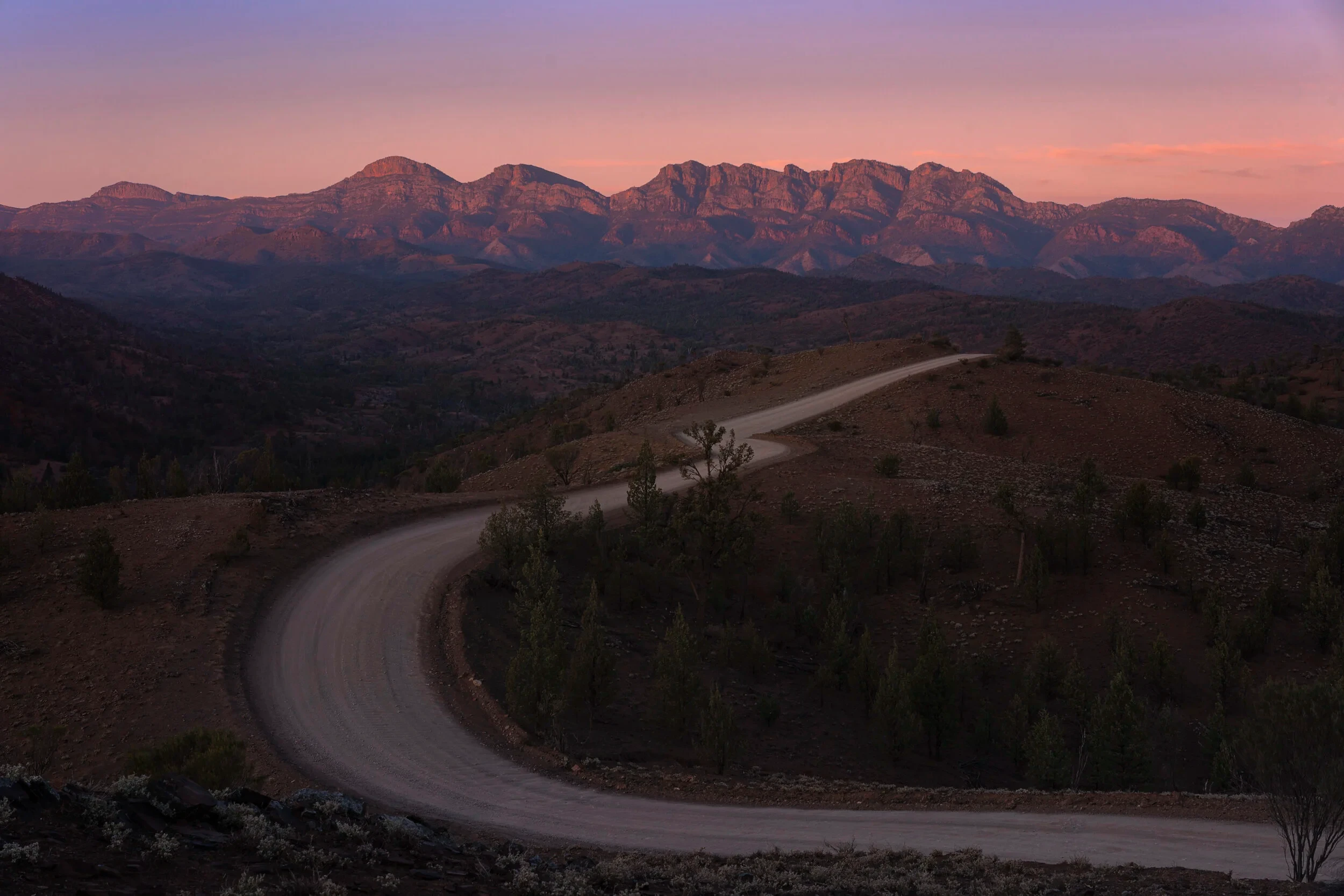
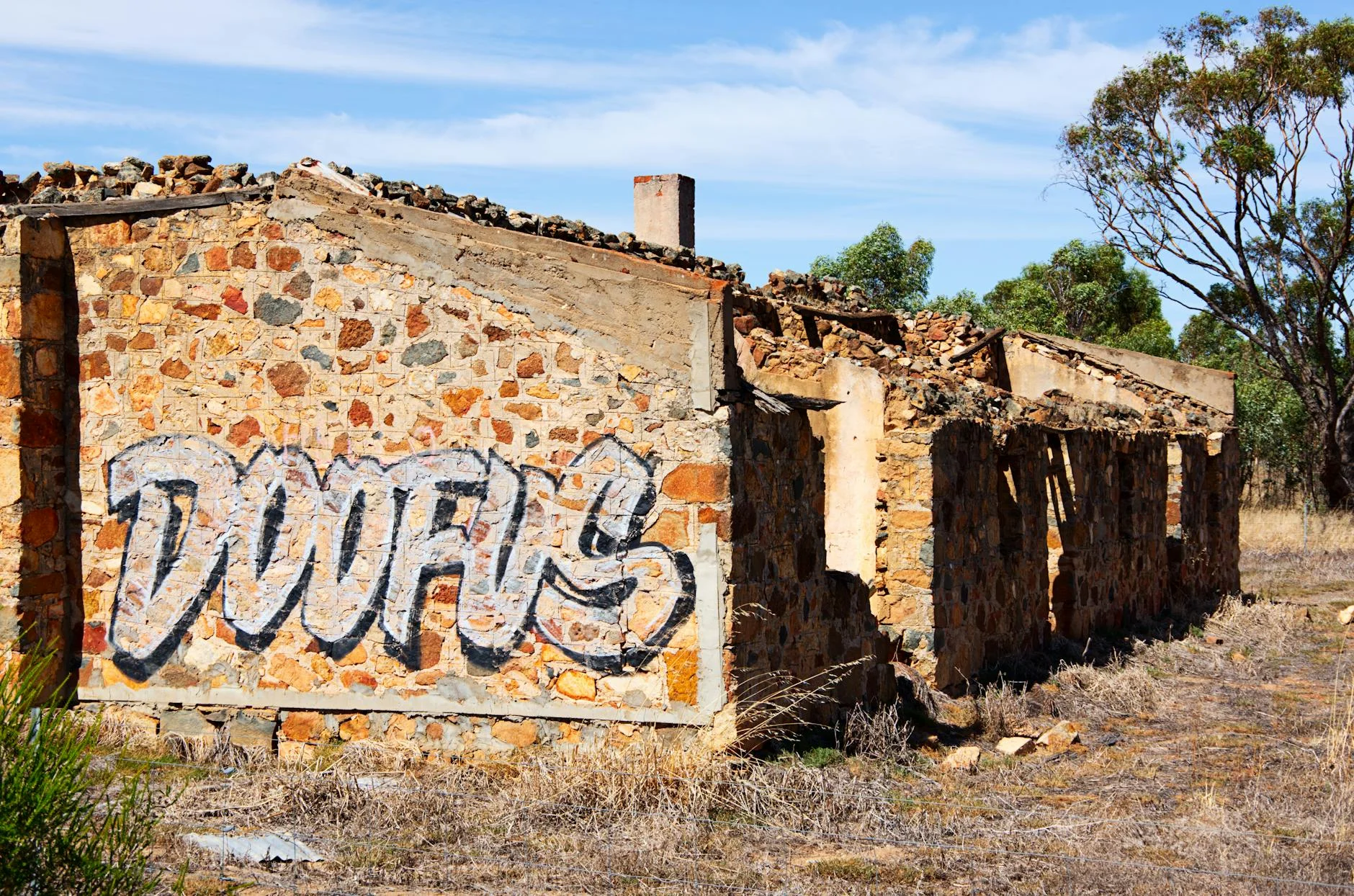
The Aroona Valley stage is the most historically grounded in the Flinders Loop. The 7-kilometre Aroona Road runs north from the Brachina Gorge road to the ruined homestead of the original Aroona Station, established in the 1850s for Merino sheep grazing. The dry stone walls and broken chimney are still standing. The road follows the valley past the creek beds that the station was built to access, finishing at the Aroona Ruins camping area. The red quartzite walls of the Elder Range rise on the western side of the valley throughout the drive. Sir Hans Heysen painted this valley repeatedly - it is one of the landscapes most closely associated with Australian landscape art. This is the easiest stage in the Flinders Loop and the shortest. It is worth doing for the ruins alone - the dry stone wall construction is remarkable given the tools available to the 1850s station hands.
The Aroona Valley stage is the most historically grounded in the Flinders Loop.
Why this road
The region
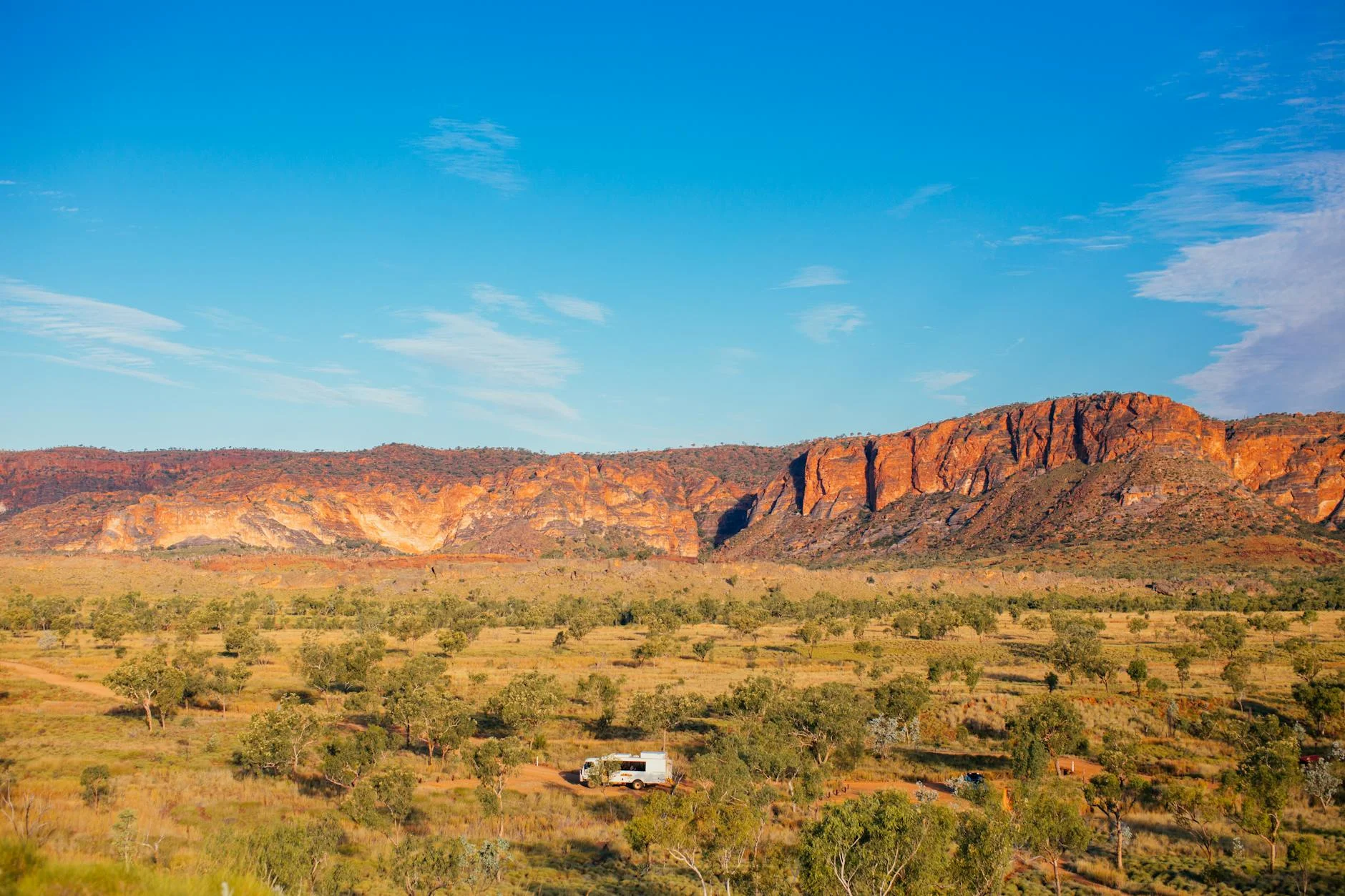
The Aroona Valley was one of the earliest pastoral runs in the Flinders Ranges, taken up by James Masters in 1851. The station ran Merino sheep on the valley floor and creek country until overgrazing and drought forced abandonment in the early 1900s. The ruins are maintained as a heritage site within the national park.
History
Aroona Station was established in 1851 by James Masters, one of the earliest pastoral runs in the Flinders Ranges. Sir Hans Heysen painted this valley and the surrounding ranges extensively from the 1920s.
Before you go
Fuel in Hawker. Water recommended. The easiest stage in the Flinders Loop - accessible to most vehicles with adequate clearance. The ruins are worth time for the dry stone wall construction. No mobile coverage. Camping available at the ruins.
See a routing error?
Flag itWorth stopping for
Wilpena Pound Resort
Accessible from the Blinman Road - the main accommodation base for the Flinders Loop.
Cazneaux Tree
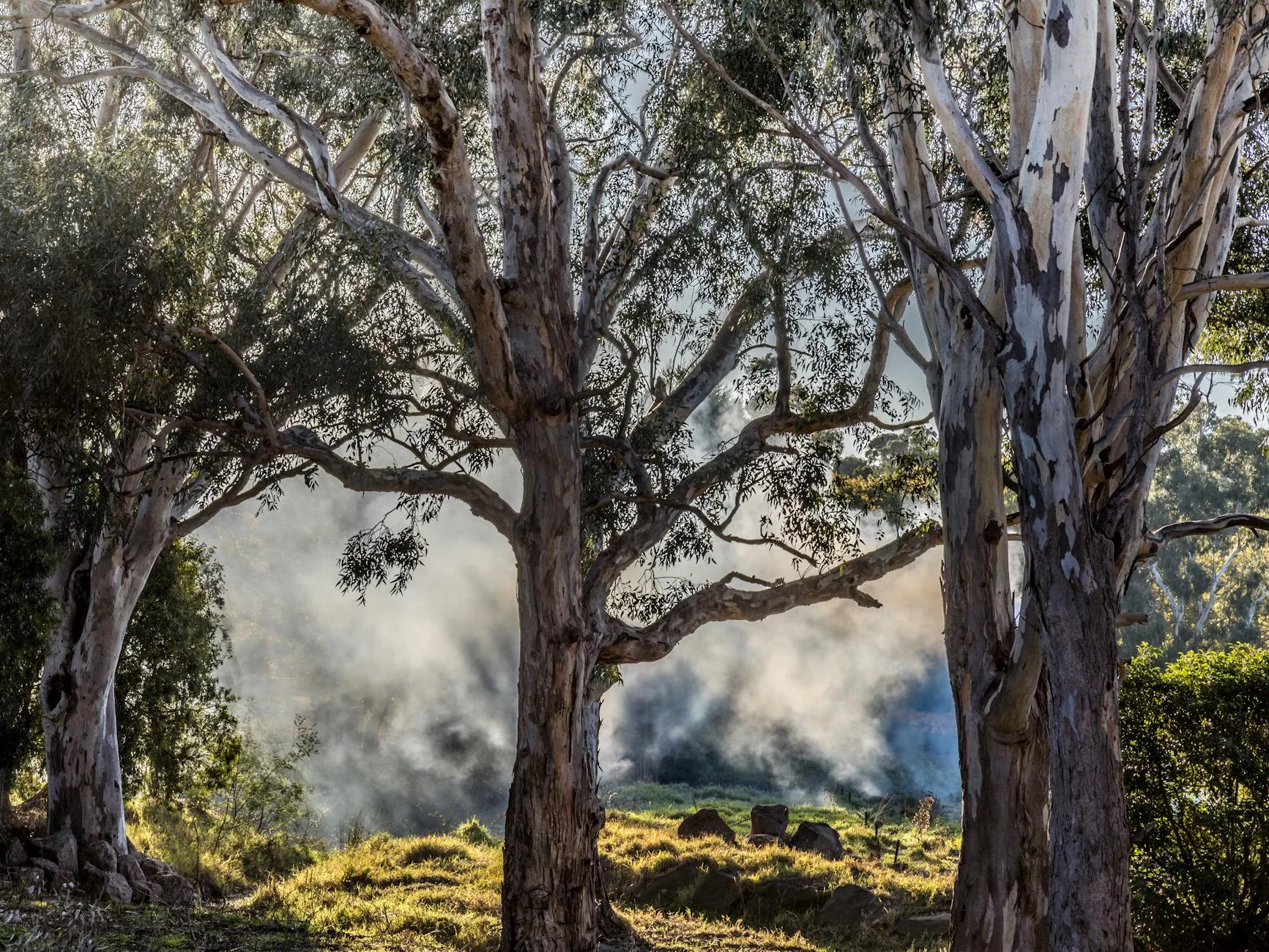
A venerable river red gum photographed by Harold Cazneaux in 1937, now a heritage tree accessible from the Wilpena road.
Route
Start
Brachina Gorge Road Junction
End
Aroona Ruins
Gallery
More roads like this