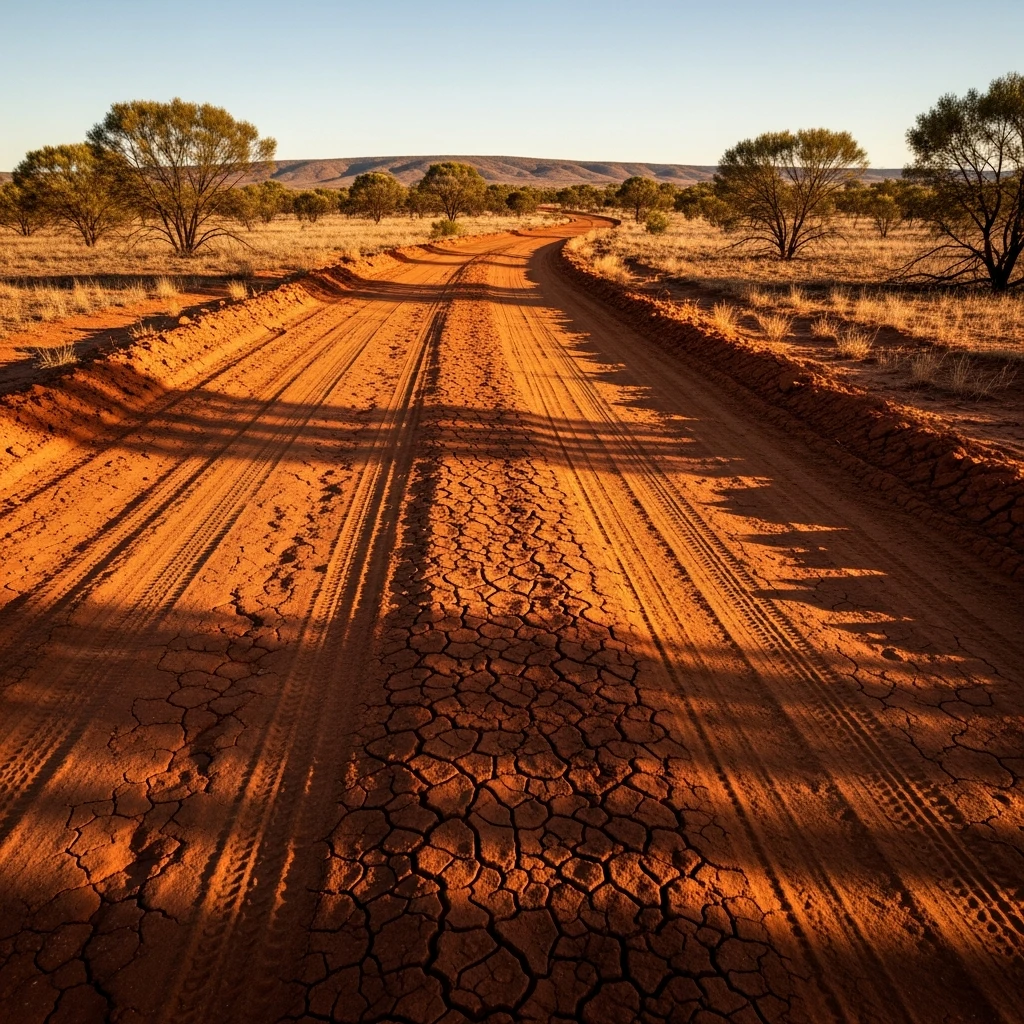
4WD & Tracks
Know the grade before you go.
Every 4WD track in Australia rated on a 1-5 difficulty scale plus a Recovery Risk Index from 0-10. Stock or modified - know what your rig can handle before you leave the bitumen.
Your setup changes everything.
Factory clearance, standard tyres, no locker. Covers any vehicle that came from the dealership. Grade 1-3 tracks. Creek crossings up to knee-depth. Excludes technical climbs and loose-surface grades.
- Grade 1-3 access
- Creek crossing intel up to 50cm
- Surface type ratings
- RRI 1-5 tracks
Suspension lift, lockers, aggressive tyres, recovery gear fitted. Unlocks Grade 4-5 tracks, technical ascents, and remote loops. Assumes you know how to use the gear.
- Grade 1-5 access (all tracks)
- Deep crossing intel (up to 120cm)
- Winch anchor point notes
- RRI 1-9 full range
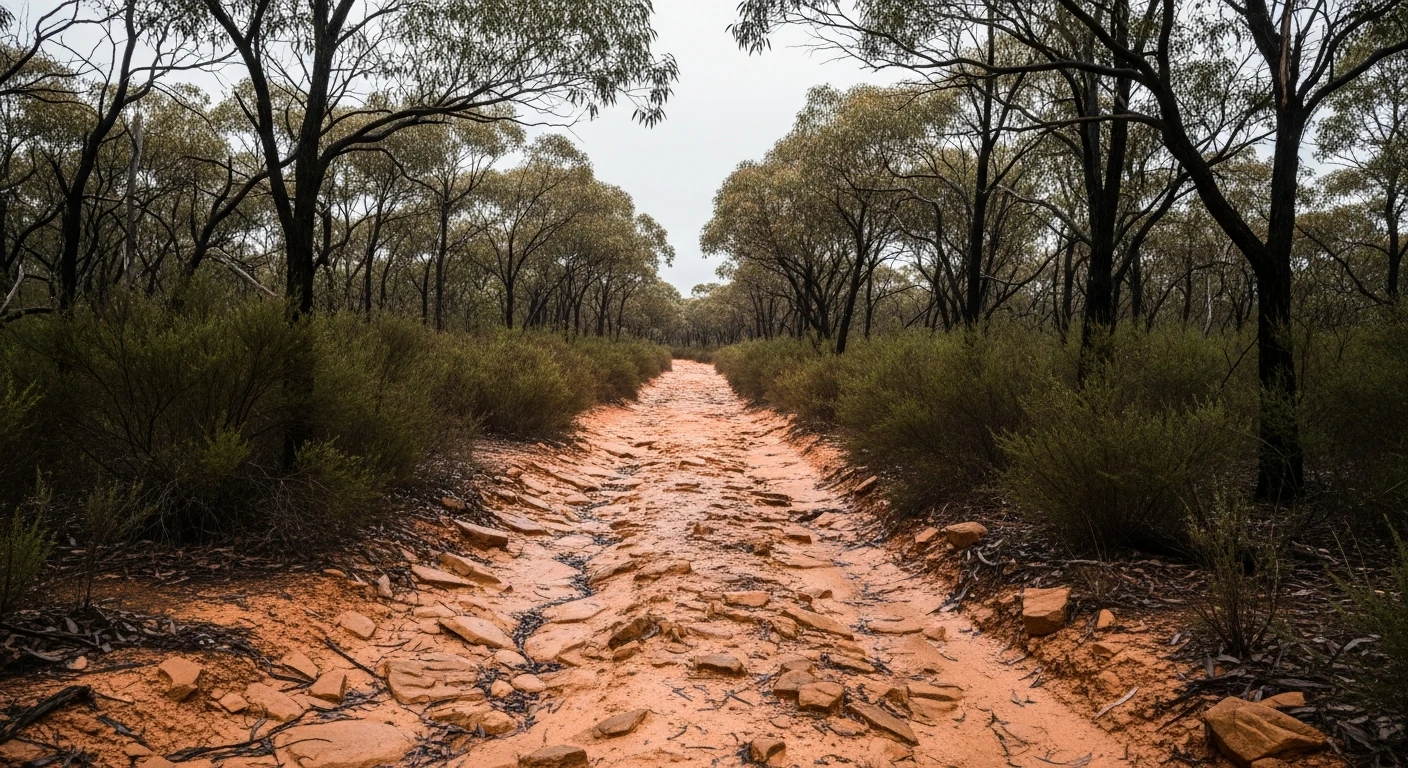
Track intelligence
Grade 3 means Grade 3. Anywhere.
Hema listed tracks. The difficulty was inconsistent - 'medium' in one state meant something different to 'medium' in another. Contour uses a 1-5 scale calibrated against known benchmark tracks, with separate Stock and Modified profiles.
See track gradesEvery track rated 1 to 5.
Not just how hard to drive.
How hard to recover.
Grade tells you what vehicle you need. RRI tells you what happens if it goes wrong. A Grade 2 track with RRI 8 means: easy driving, but you're three hours from help and there's no phone signal. A Grade 4 with RRI 2 is technical, but a recovery vehicle can reach you inside 30 minutes.
Recovery possible within a reasonable timeframe. Phone coverage likely. Another vehicle can reach you.
Recovery is possible but not guaranteed fast. Carry a PLB. Brief someone on your route and return time.
Remote, rarely travelled, no mobile coverage. A breakdown here is a multi-day event. Full recovery kit and sat comms essential.
Some of the best in the country.

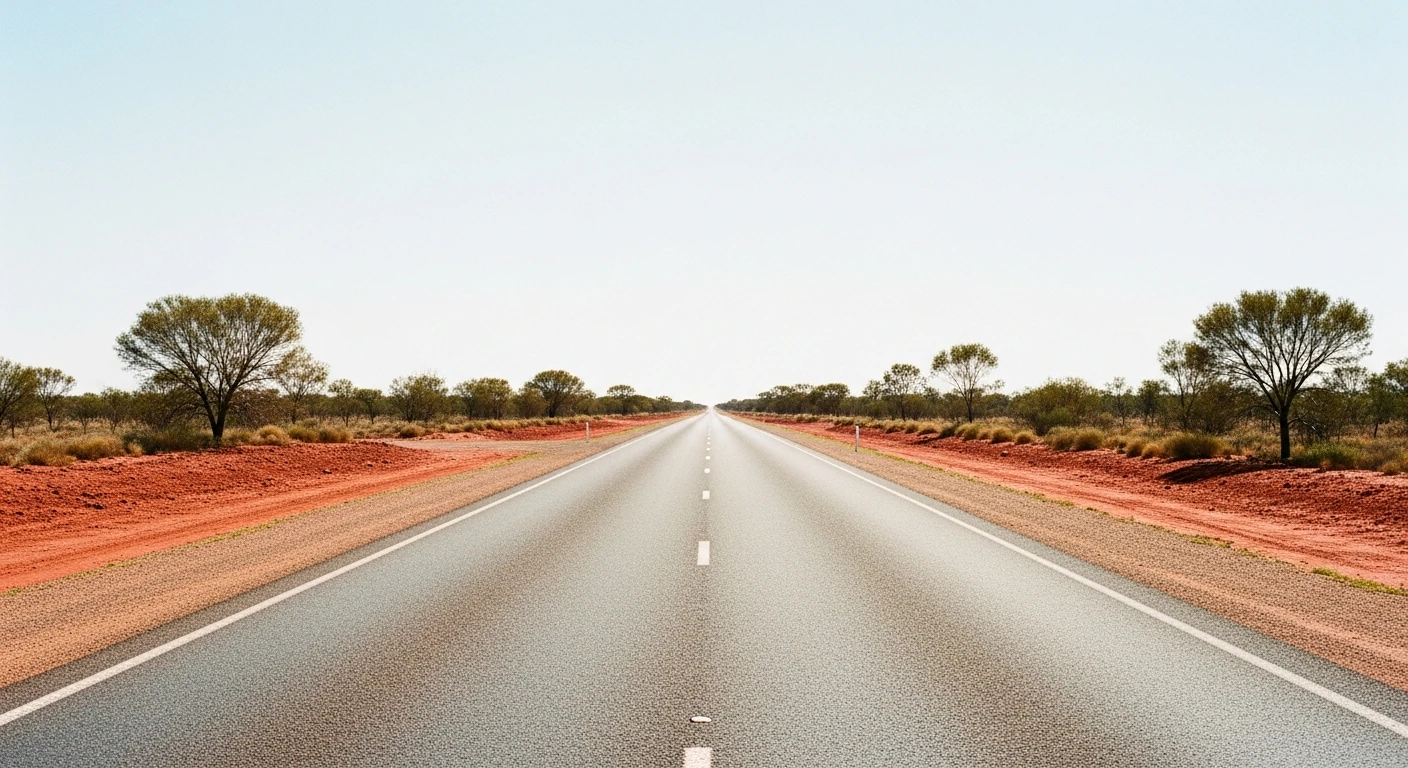
What Contour adds
that Hema doesn't.
Hema gives you the map. Contour gives you the rating. Use both, or let Contour's difficulty index fill the gap you didn't know existed.
| Feature | Hema | Contour |
|---|---|---|
| Track maps | ✓ | ✓ |
| Difficulty rating 1-5 | ✗ | ✓ |
| Recovery Risk Index | ✗ | ✓ |
| Condition reports | ✗ | ✓ |
| Route planning with scoring | ✗ | ✓ |
| Offline maps | ✓ | Coming |
Common questions.
What's the difference between Stock and Modified?
Stock covers factory 4WDs with standard clearance, diff-locks, and tyres. Modified covers lifted vehicles with lockers, aggressive tyres, and recovery equipment. The Modified profile unlocks higher-difficulty tracks and ford crossings. If you're not sure, start with Stock.
What does the RRI actually measure?
Recovery Risk Index measures how hard it would be to recover a bogged or broken-down vehicle on that track. Factors include remoteness, mobile coverage, track width (can a recovery vehicle reach you?), and how often the track is travelled. RRI 1-3 is manageable. RRI 7+ means you need a full recovery kit, sat comms, and ideally a second vehicle.
Do I need a PLB or sat comms?
For any track with RRI 5 or above, yes. Contour will flag this in the route summary. A PLB is the minimum for remote tracks. SPOT or Garmin inReach is better if you need two-way comms.
How current is the track data?
Track difficulty and RRI ratings are based on OpenStreetMap data plus Contour's own classification pipeline. Community updates flow through OSM. For critical remote tracks, always cross-reference with local trip reports - conditions change after rain, fire, and flood.
Which states have the most 4WD track coverage?
Western Australia has the most track coverage by area - particularly the Kimberley, Pilbara, and south-west. The Northern Territory has the highest proportion of Grade 4-5 tracks (Kakadu, Larapinta corridor). Victoria and NSW have dense coverage accessible from major cities. Queensland's Cape York Peninsula is among the most challenging terrain in the country.
How does condition reporting work?
Users submit condition reports from the track detail page in the mobile app. Reports include: track passability, water crossing depth, surface condition, and hazards. Reports expire after 7 days. In low-traffic seasons, older reports may be the only recent information for a remote track.
What recovery gear should I carry for Grade 3+ tracks?
The minimum for Grade 3: traction boards, basic snatch strap set, hi-lift jack or exhaust jack, first aid kit, water and food for 24 hours beyond your planned trip, and a means of communication (PLB at minimum). For Grade 4+ add: high-rated snatch block, winch or winch-compatible anchor point, tree trunk protector, and a second vehicle or prior notification of your route with emergency contacts.
Is Contour a replacement for Hema?
Contour is different from Hema rather than a direct replacement. Hema provides detailed topographic maps and track lines. Contour provides a difficulty rating and Recovery Risk Index for every track, plus route planning and condition reports. Many drivers use both.
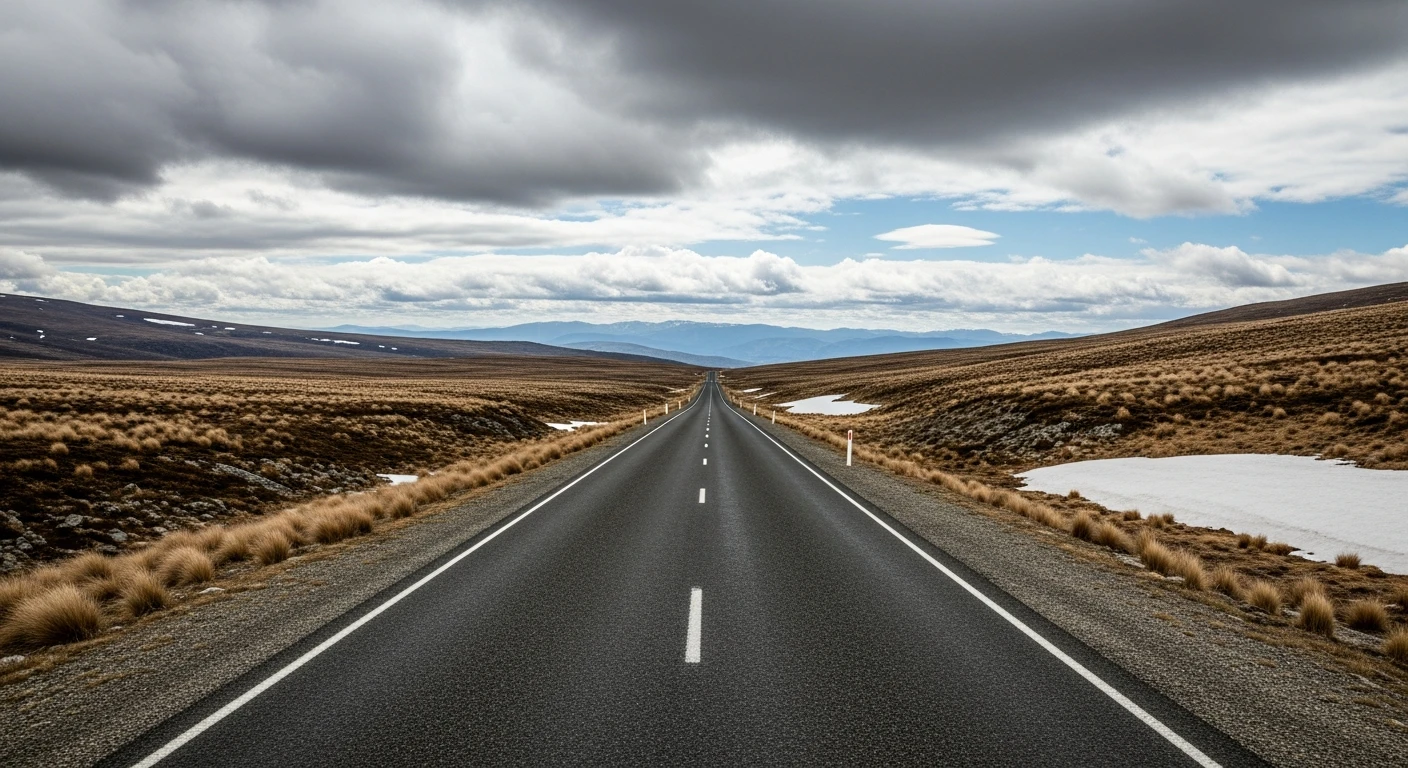
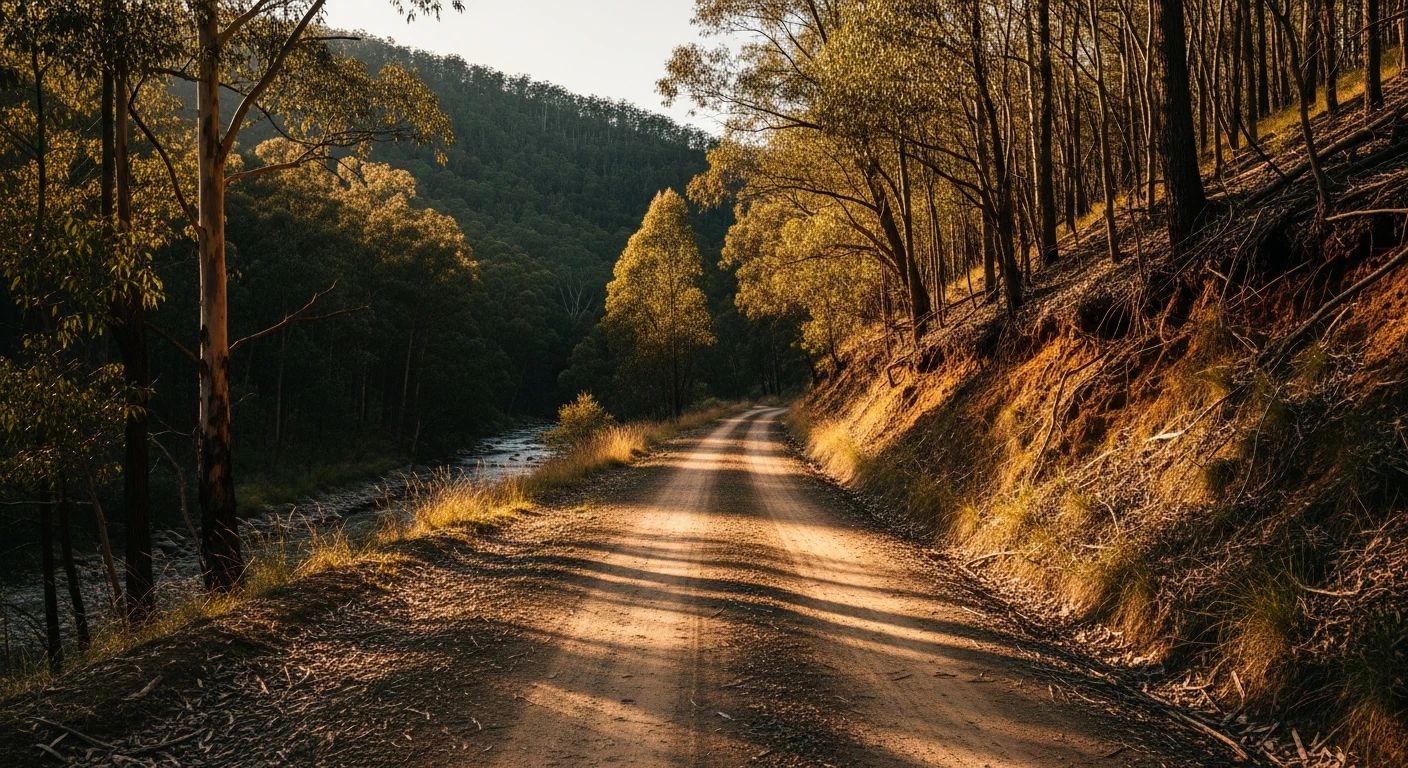 High Country, Victoria
Coming soon to Contour.
Grade and RRI for every 4WD track in Australia. Two profiles - Stock and Modified. Get notified when it launches.